
Design capacity
Hatchery
Broodstock, eggs, larvae and juveniles — seed for the cages, raised onshore.
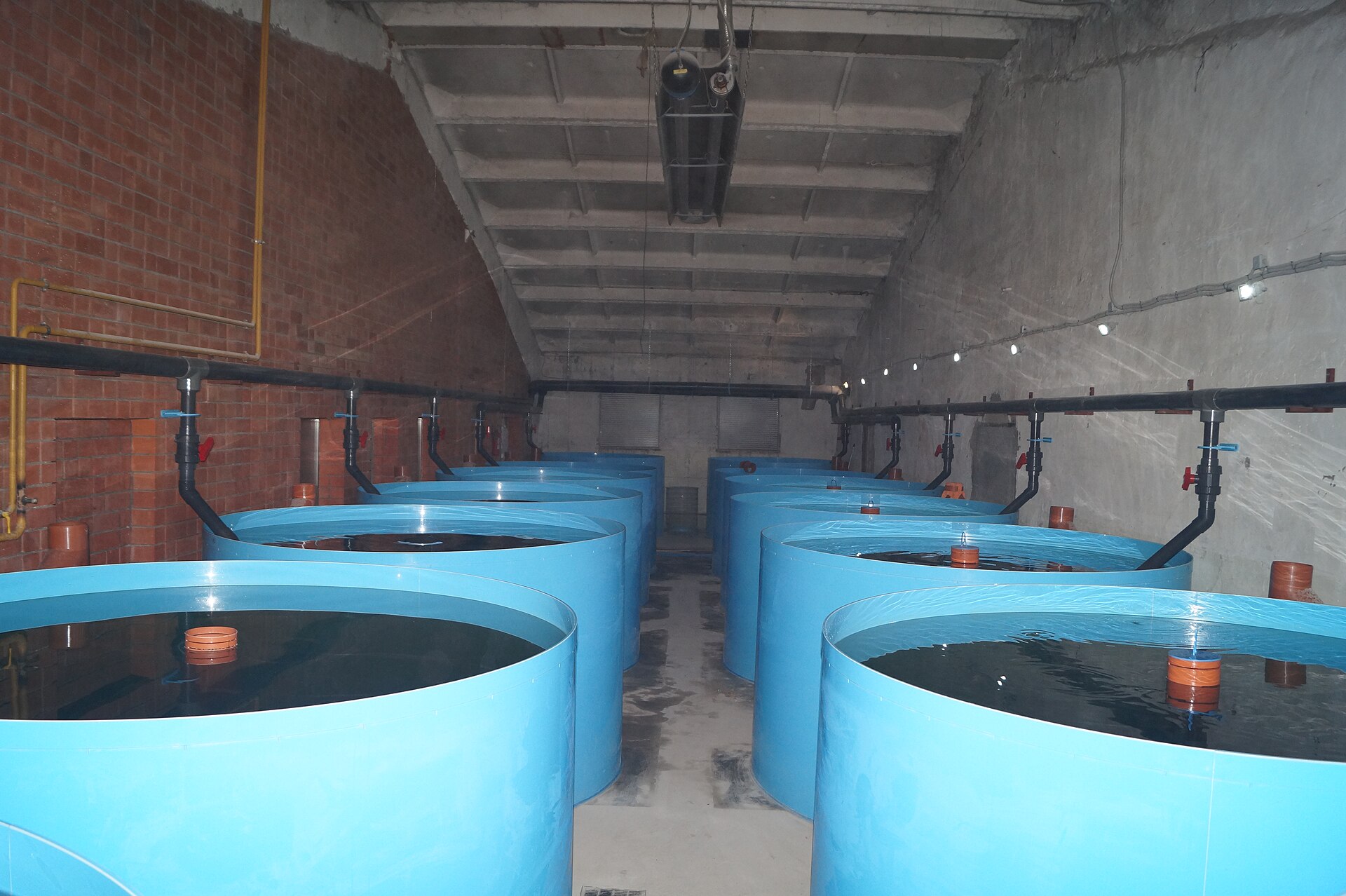
Onshore tanks: filtered, warmed, aerated water.
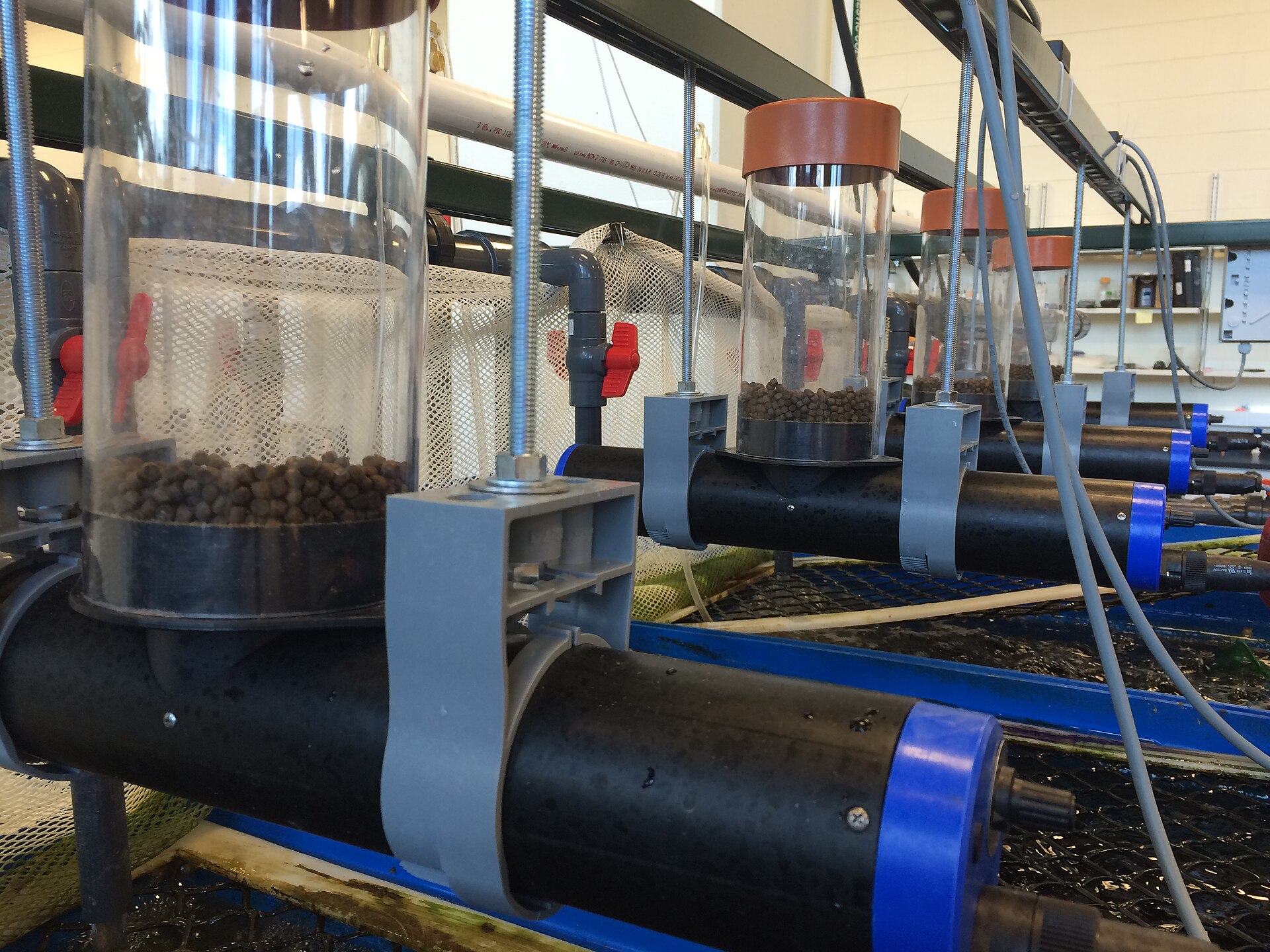
Round tanks where larvae take live feed before dry pellets.
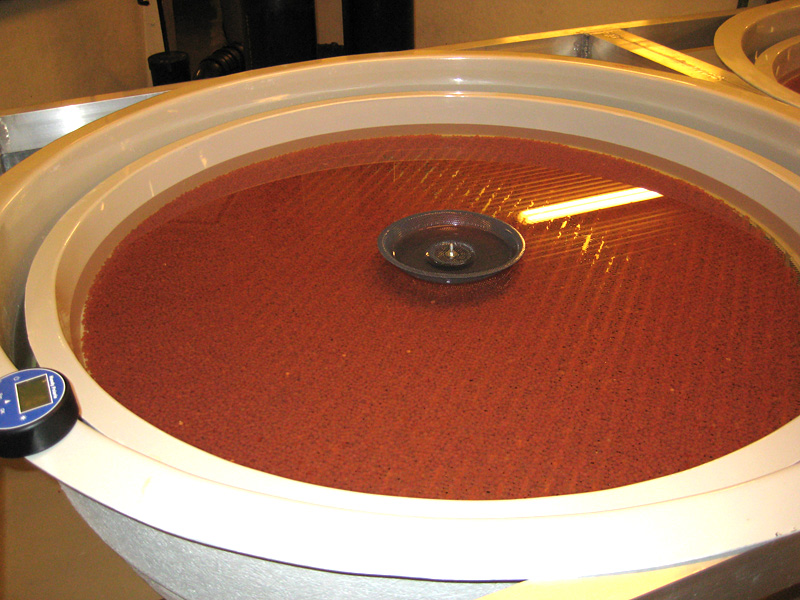
Fingerlings stout enough to leave the nursery for the cages.
The hatchery is where cultivation starts, on the onshore plot at Dalma. Broodstock are held in tanks. Eggs are incubated in conical vessels with a slow upwelling so they stay suspended until they hatch. This is not a net in the Gulf. It is filtered, warmed, aerated water, watched every day.
Newly hatched larvae are too small for dry pellets. They take live food first — rotifers, then brine shrimp — in round tanks. As they grow they become fry, then fingerlings stout enough to leave the nursery. Transfer size is the point of this plant: seed for the cages, raised here.
Water quality is the daily work. Temperature, dissolved oxygen and ammonia decide whether a tank of larvae lives. Sensors and a slow hand at the feeder are how that work is done. It is not a harvest-day inspection.
Design capacity is 40 million juveniles a year, treated in the project plan as roughly 30,000 tonnes equivalent. The size is independence: the cages are not meant to wait on imported seed. Figures on this page are design capacities stored in the company desk. They are not fish already landed.
The process
How this plant is run, step by step.
Each step is cultivation work — water, feed, transfer, ice — not a portrait of the company.
01
Hold broodstock onshore
Cultivation begins in tanks, not in a net. Broodstock are held on the onshore plot, in filtered water, so eggs can be taken without waiting on a wild catch.
02
Incubate eggs in a slow upwelling
Eggs sit in conical tanks. A slow upwelling keeps them suspended until they hatch. If they settle and smother, the tank is lost. This is the hatchery’s first job: a fertile egg into a larva that can feed.
03
Feed larvae live food first
Newly hatched larvae are too small for dry pellets. They take rotifers, then brine shrimp, in round tanks of warmed, aerated water. Live feed is a culture of its own, run beside the fish.
04
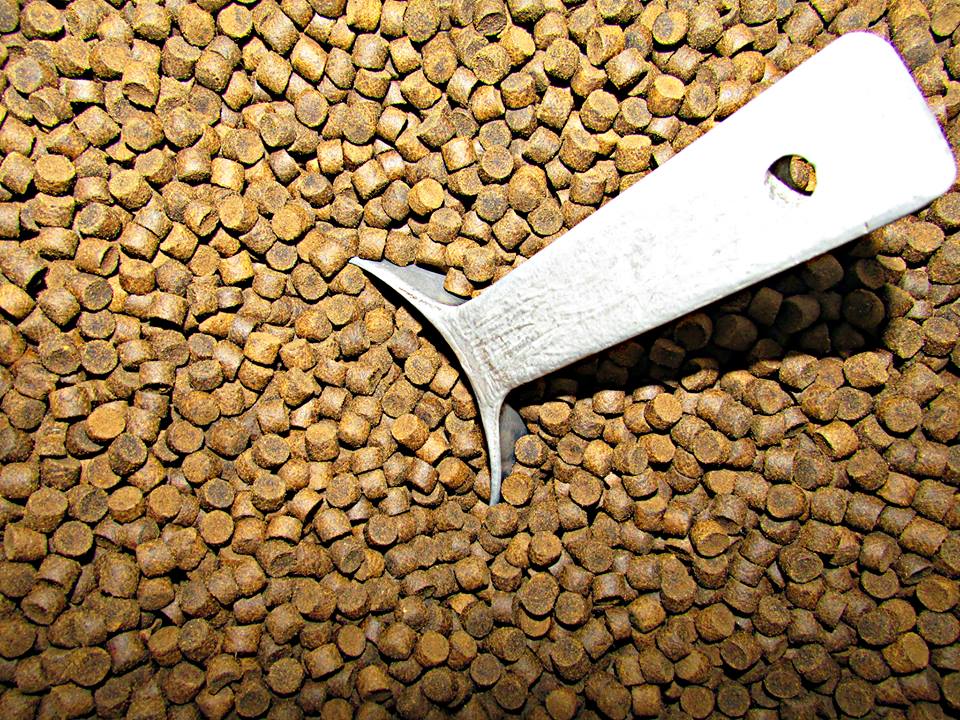
Wean onto dry pellets
As mouths grow, the ration shifts from live food to compressed pellets mixed on the island. Weaning is slow on purpose: a sudden change empties a tank as surely as bad water.
05
Grow fingerlings to transfer size
Fry become fingerlings stout enough to leave the nursery. Transfer size is the product of this plant: seed for the cages, not a fish for the table yet.
06
Treat water as daily work
Temperature, dissolved oxygen and ammonia decide the tank. Sensors, a slow feeder and a morning reading are how the hatchery is run. It is not a harvest-day inspection.
In the chain
Four plants, in the order they are meant to work.
- 01
Hatchery
Broodstock, eggs, larvae and juveniles — seed for the cages, raised onshore.
Open the process 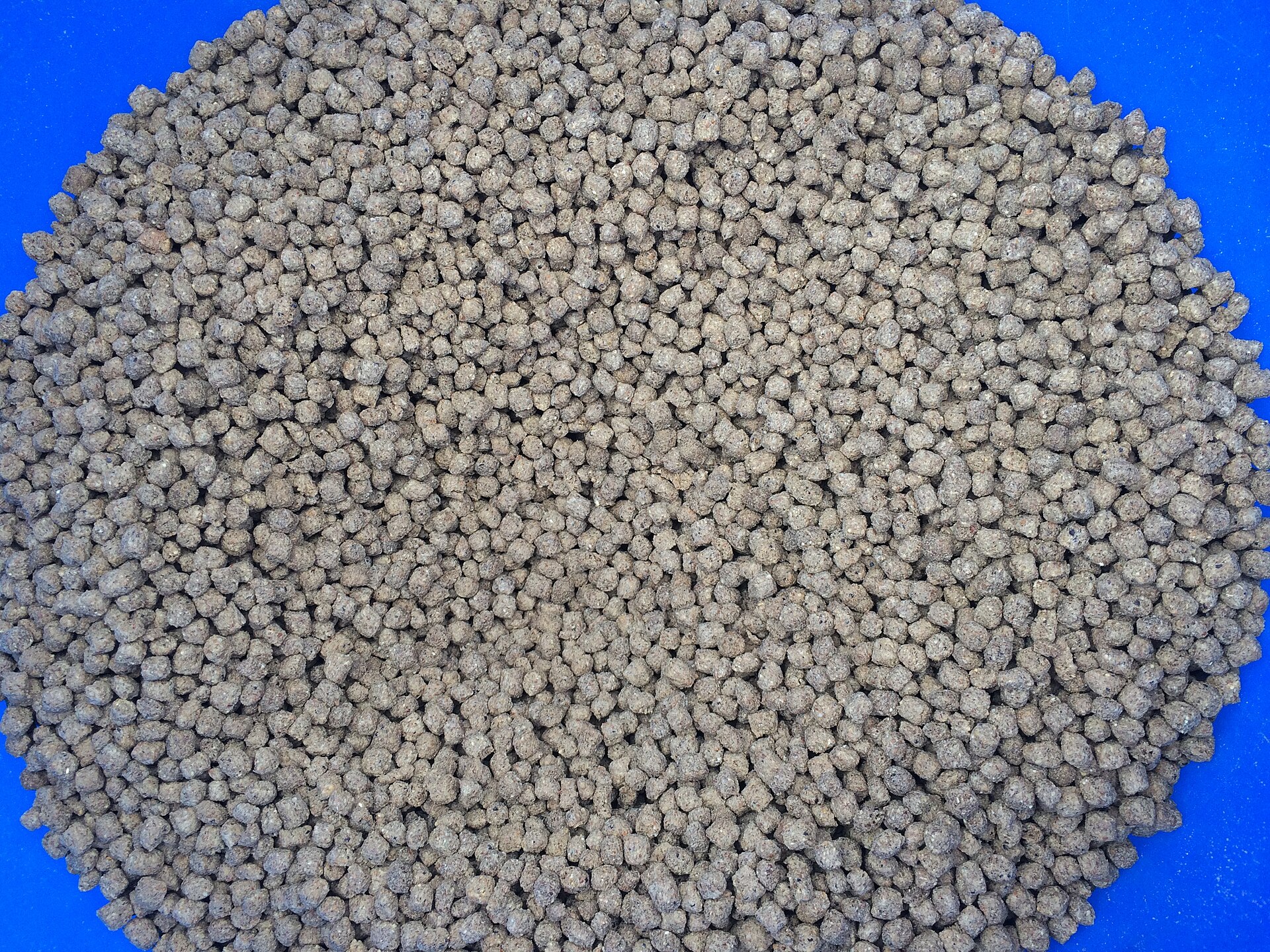 02
Feed plant
Pellets mixed on Dalma, sized so feed is not the constraint on the cages.
Open the process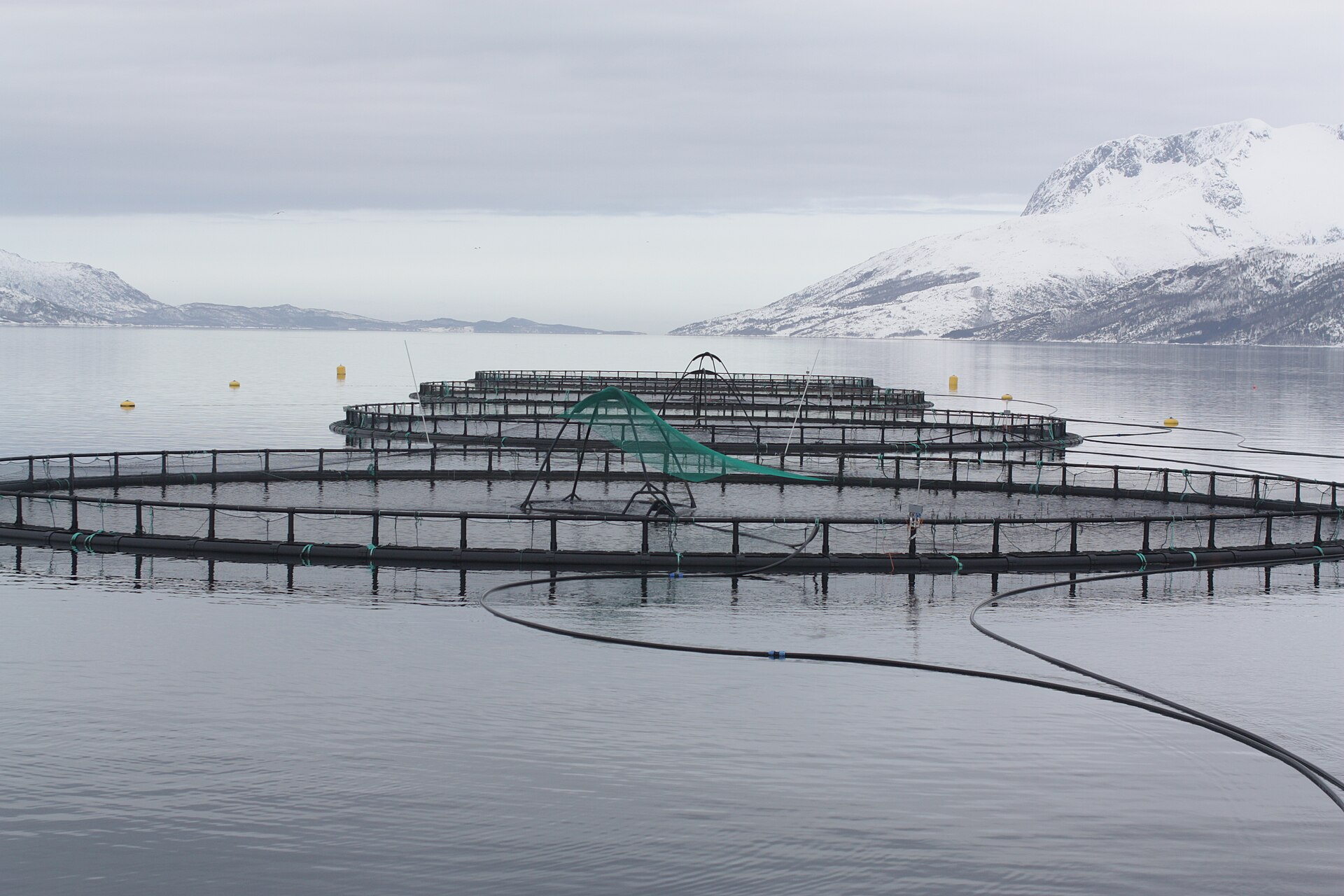 03
Sea cages
Floating circular cages in 250,000 m² of Arabian Gulf water.
Open the process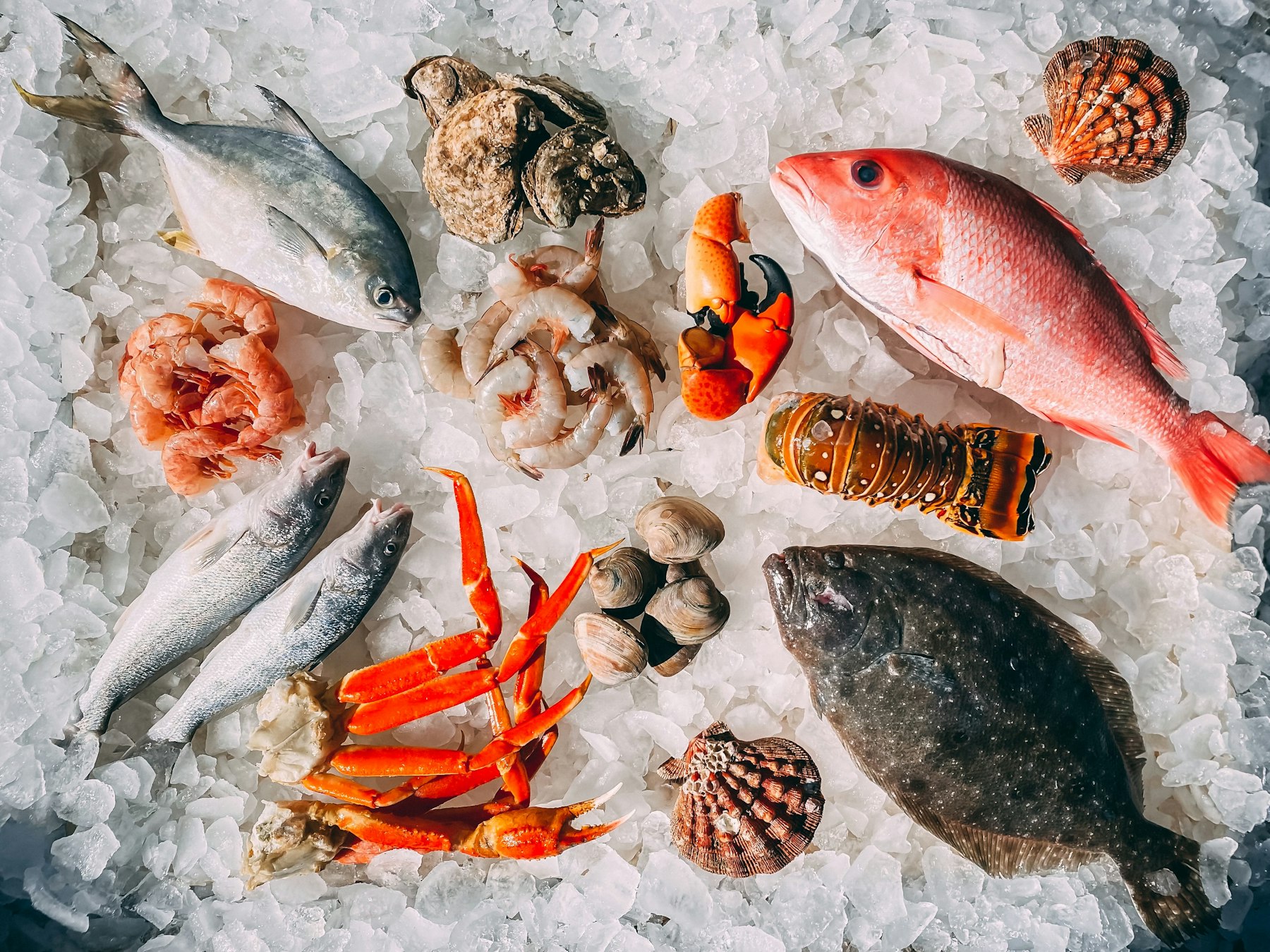 04
Processing
Harvest, chill and prepare on the same island as the cages.
Open the process