
The platform
Four plants on Dalma, then two more.
Open a plant for how it is cultivated and what it is sized to do. Every capacity on this page is read live from the company desk.
The process
Four plants, in the order they are meant to work.
Hatchery, mill, cages, processing. Open a plant for the photographs and the step-by-step process. Two later plants — shrimp and mud crab — sit behind this chain.
 01
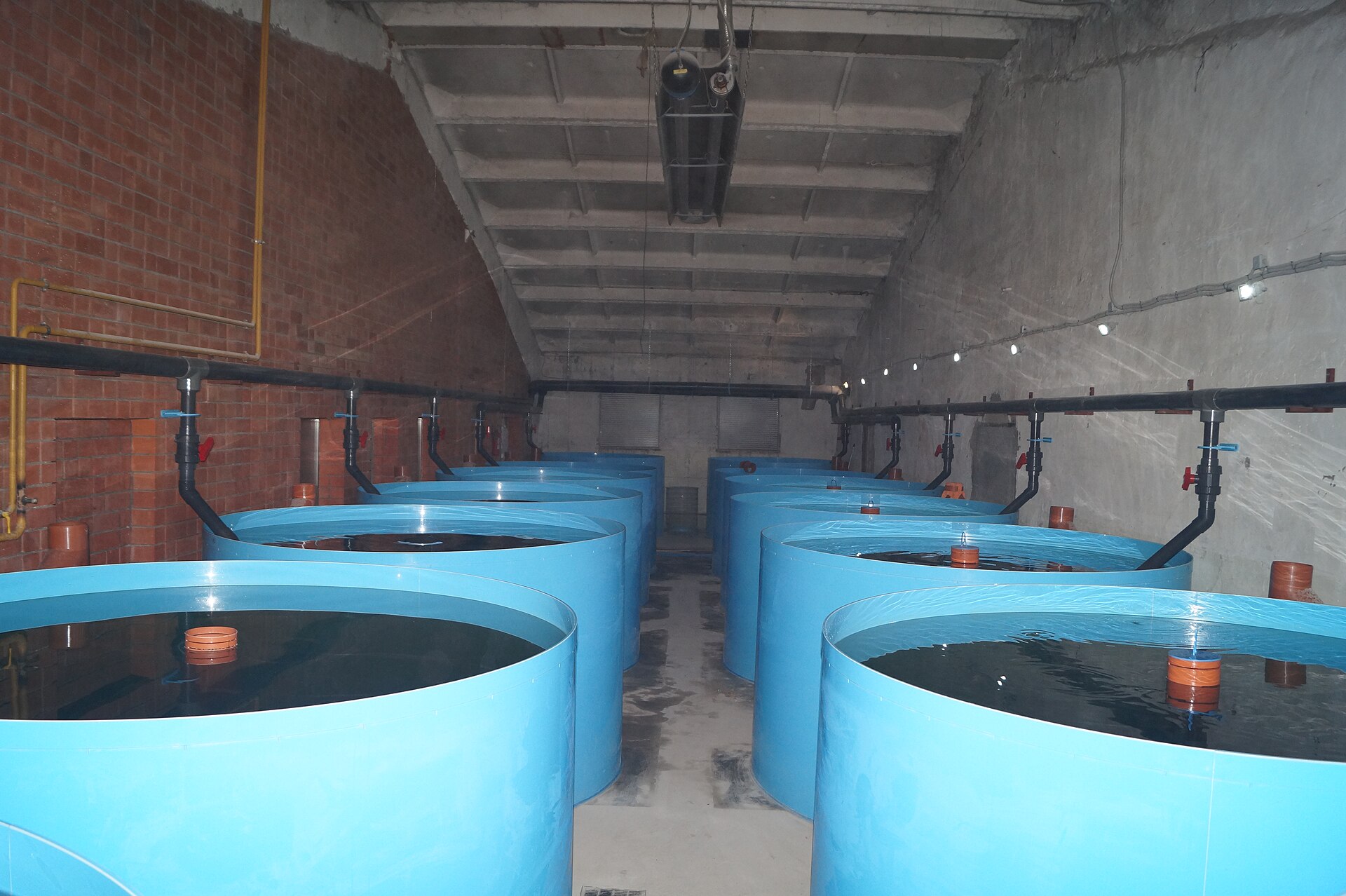
Hatchery
Broodstock, eggs, larvae and juveniles — seed for the cages, raised onshore.
Open the process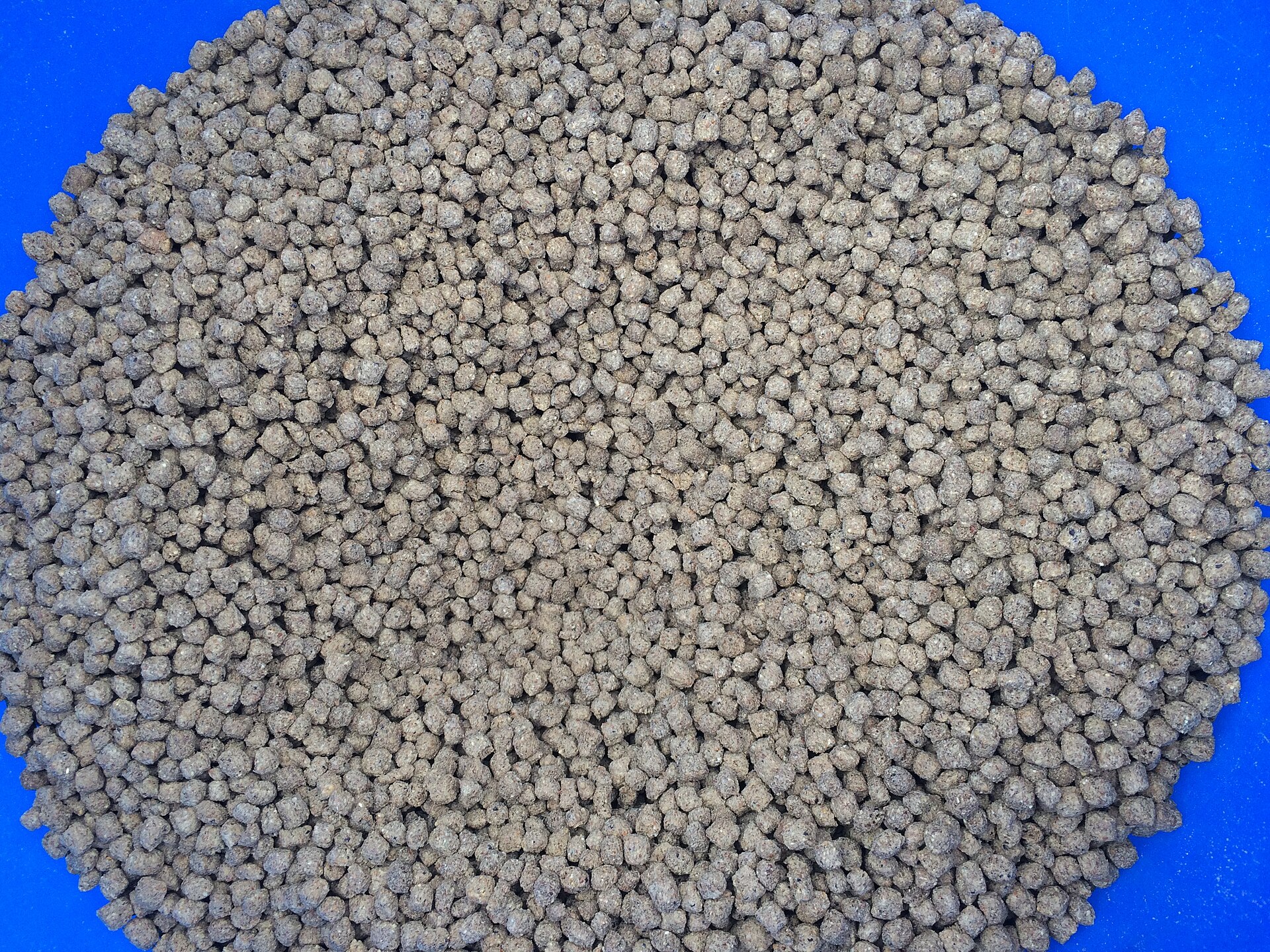 02
Feed plant
Pellets mixed on Dalma, sized so feed is not the constraint on the cages.
Open the process- 03
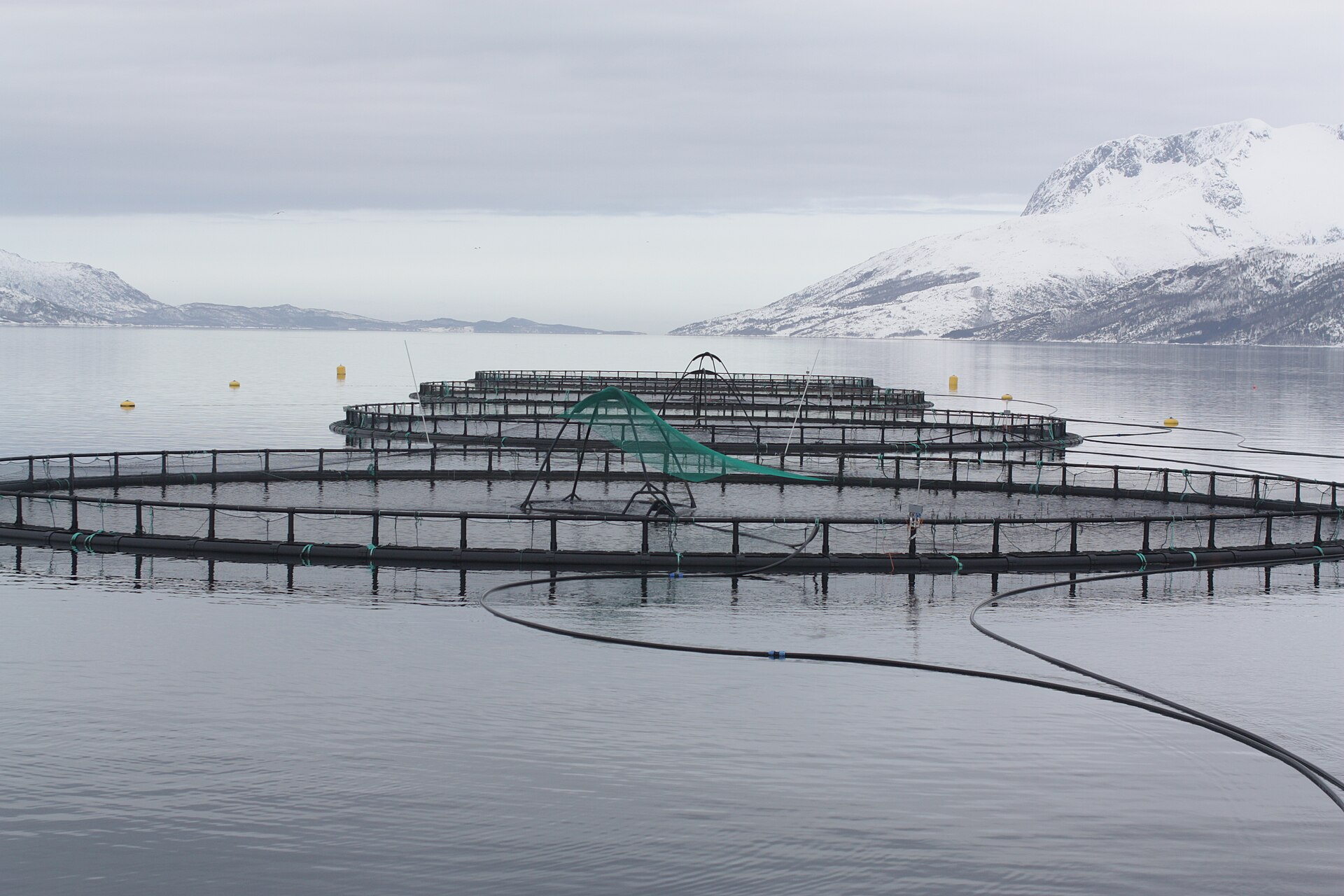
Sea cages
Floating circular cages in 250,000 m² of Arabian Gulf water.
Open the process 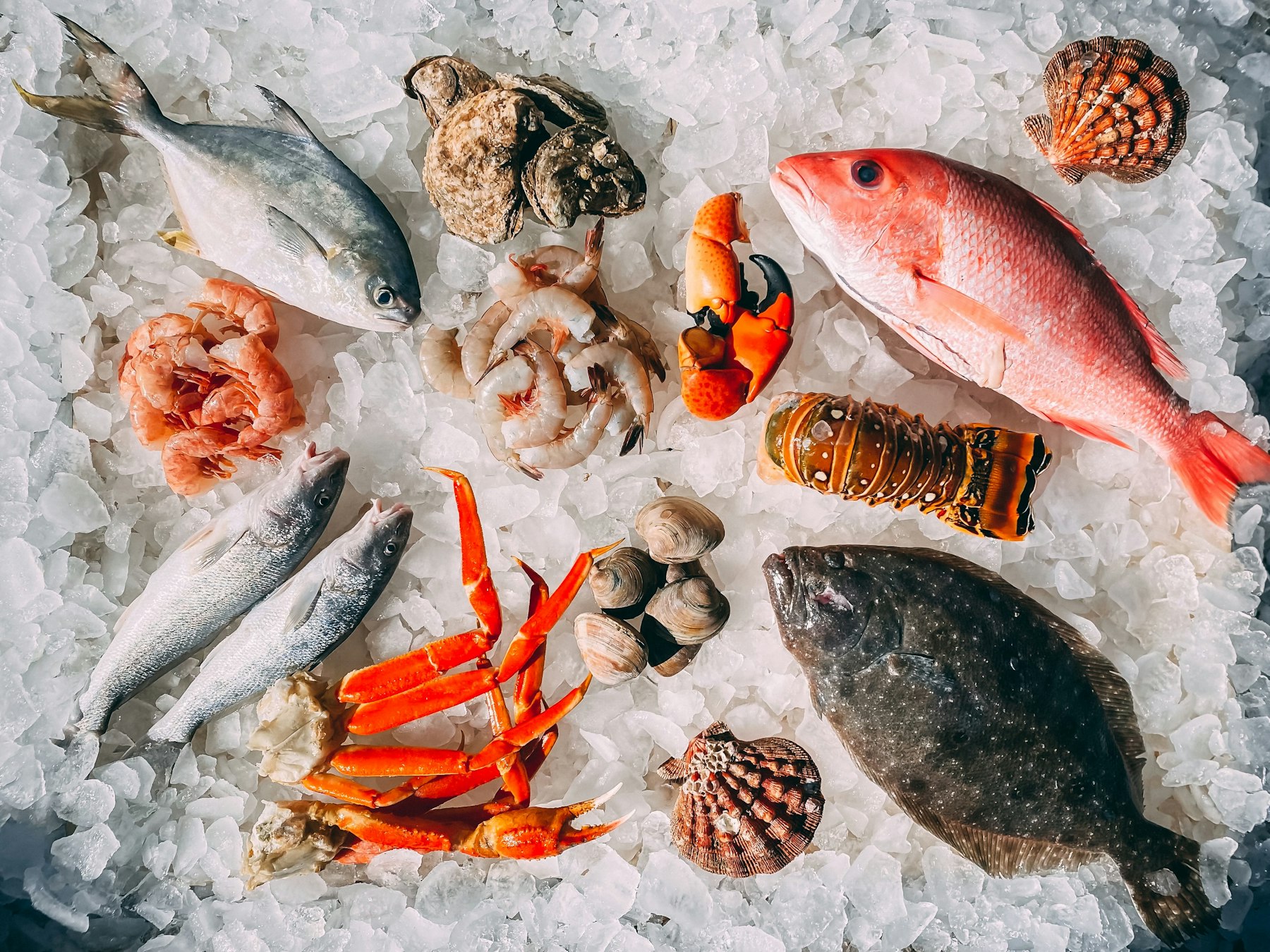 04
Processing
Harvest, chill and prepare on the same island as the cages.
Open the process
Design mix
How the plants sit against each other.
Bar length follows the live capacity stored for each plant. Change a figure in the desk, and the mix moves.
Hatchery
Broodstock, eggs, larvae and juveniles — seed for the cages, raised onshore.
Open the process0juveniles a yearFeed plant
Pellets mixed on Dalma, sized so feed is not the constraint on the cages.
Open the process0tonnesSea cages
Floating circular cages in 250,000 m² of Arabian Gulf water.
Open the process0tonnesProcessing
Harvest, chill and prepare on the same island as the cages.
Open the process0tonnesAfter finfish
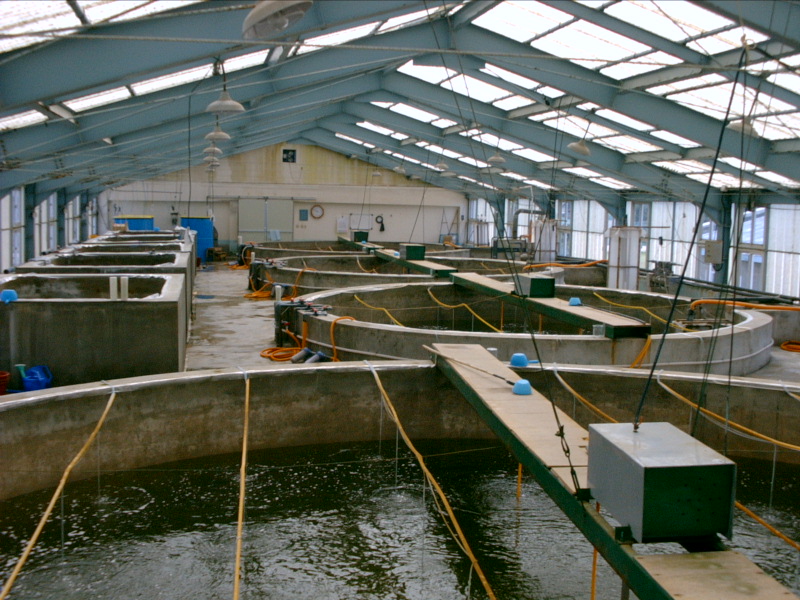
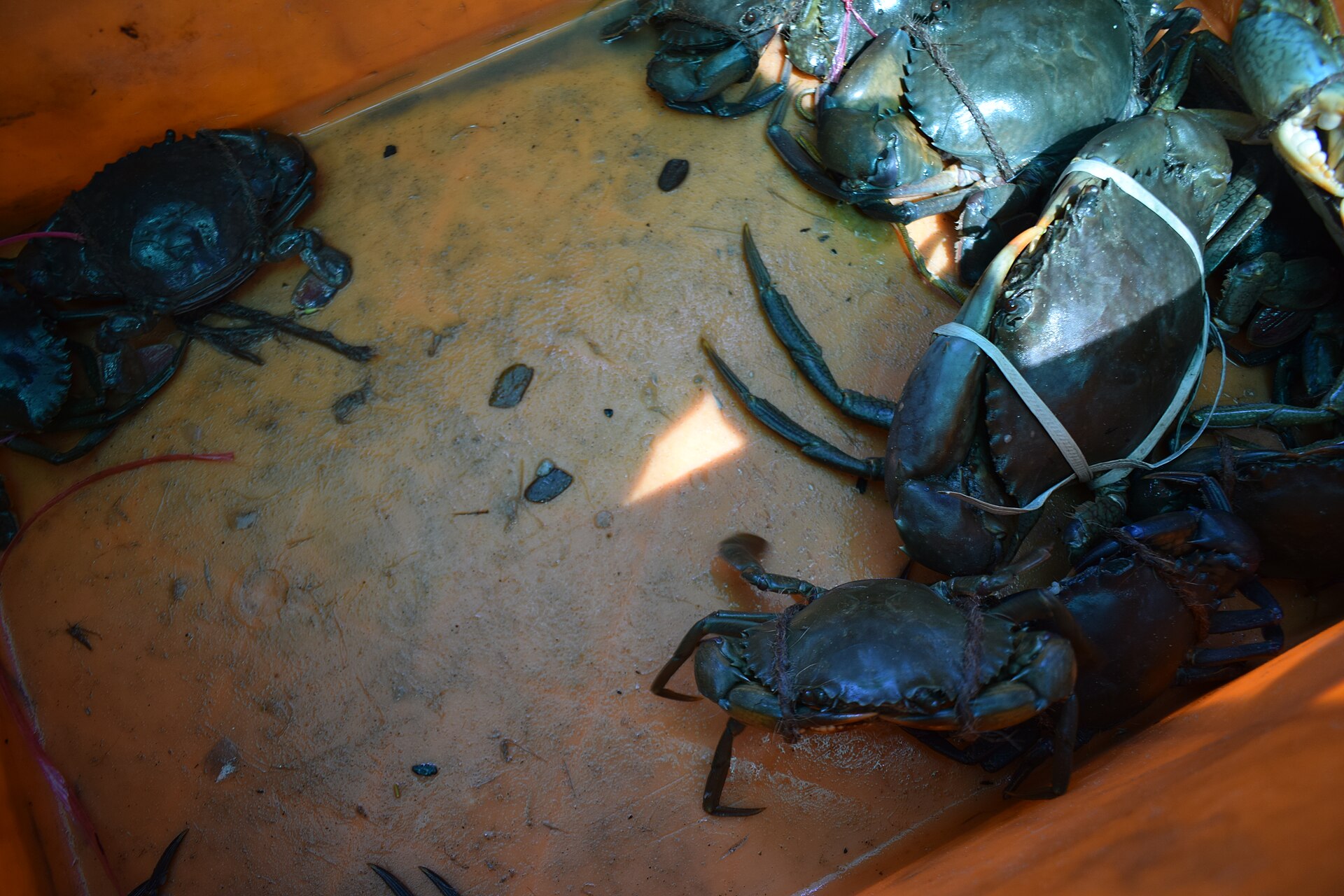
Shrimp in closed water. Mud crab in a vertical system.
Two later plants sit behind the marine-fish chain. They are not an extra net on the same cage. They are different animals, different water, different buildings — each planned at 5,000 tonnes.
 01
 02