
Aqua Fisheries Aquaculture LLC
AQUAFAQ, on Dalma Island.
Established in 2020 to raise marine fish as one Abu Dhabi chain: hatchery, feed, sea cages and processing, onshore and offshore.
AQUAFAQ is the public name of Aqua Fisheries Aquaculture LLC, a company established in 2020. Its ground is Dalma Island in the Arabian Gulf, off western Abu Dhabi.
The lease is published as 156,118 square metres onshore and 250,000 square metres offshore. On land: broodstock, larval tanks, a feed mill, harvest intake and packing. At sea: floating cages in real Gulf water, with current, oxygen and the temperature of that water.
The company is drawn so each plant answers the one before it. The hatchery is sized at 40 million juveniles a year, treated in the plan as roughly 30,000 tonnes equivalent, so cages are not waiting on imported seed. The mill is sized at 60,000 tonnes — three times cage capacity — so feed sits ahead of the fish. Cages and processing are matched at 20,000 tonnes each, so a harvest can be prepared where it was grown.
Nothing on this website is a licence, a contract, a personal file, or a claim that those volumes have already been harvested. The figures are design capacities. Two later phases — shrimp in recirculating aquaculture systems, and mud crab in a vertical system — are each planned at 5,000 tonnes after the finfish chain.
Why this platform
These figures are the planning basis from when the platform was defined. They are not a live reading of this year's market.
The public sequence
From a 2020 company to a four-plant island chain.
- 2020
Company established
Aqua Fisheries Aquaculture LLC is established. AQUAFAQ is the name used in public.
- Lease
Dalma ground, twice
156,118 m² onshore for hatchery, mill and plant. 250,000 m² offshore for Gulf cages.
- Chain
Four plants, one crossing
Juveniles, feed, grow-out and processing are drawn as neighbours, not as four distant factories.
- Water
Cultivation as daily work
Eggs, live feed, pellets, cages, oxygen and ice — the crop is the water, not a harvest-day visit.
- Later
Shrimp and mud crab
After finfish: 5,000 tonnes of shrimp in RAS, and 5,000 tonnes of mud crab in a vertical system.
Design mix
How the plants sit against each other.
Bar length follows the live capacity stored for each plant. Change a figure in the desk, and the mix moves.
The four plants
Each plant is sized for the next one in the chain.
 01
Hatchery
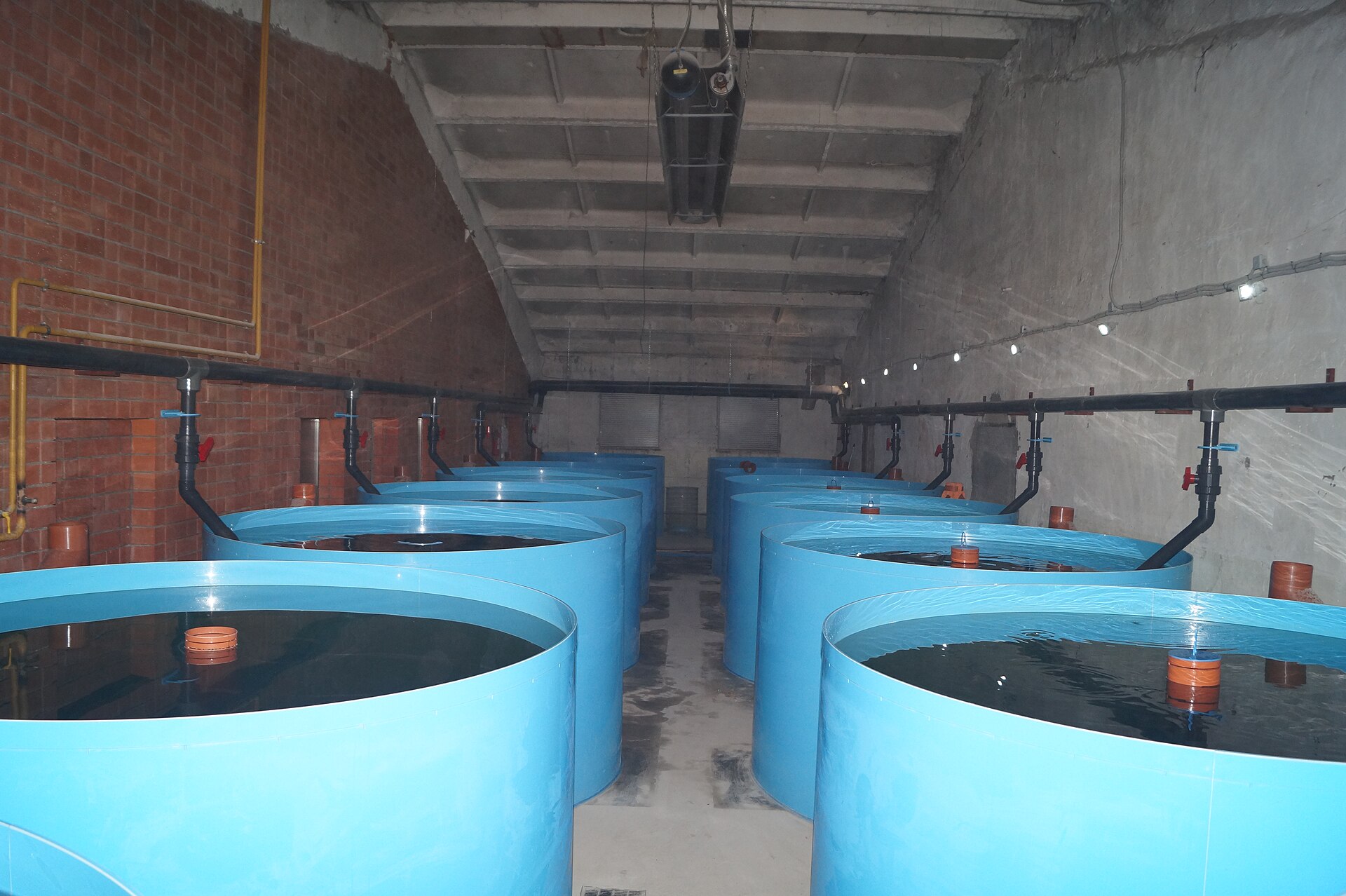
Broodstock, eggs, larvae and juveniles — seed for the cages, raised onshore.
Open the process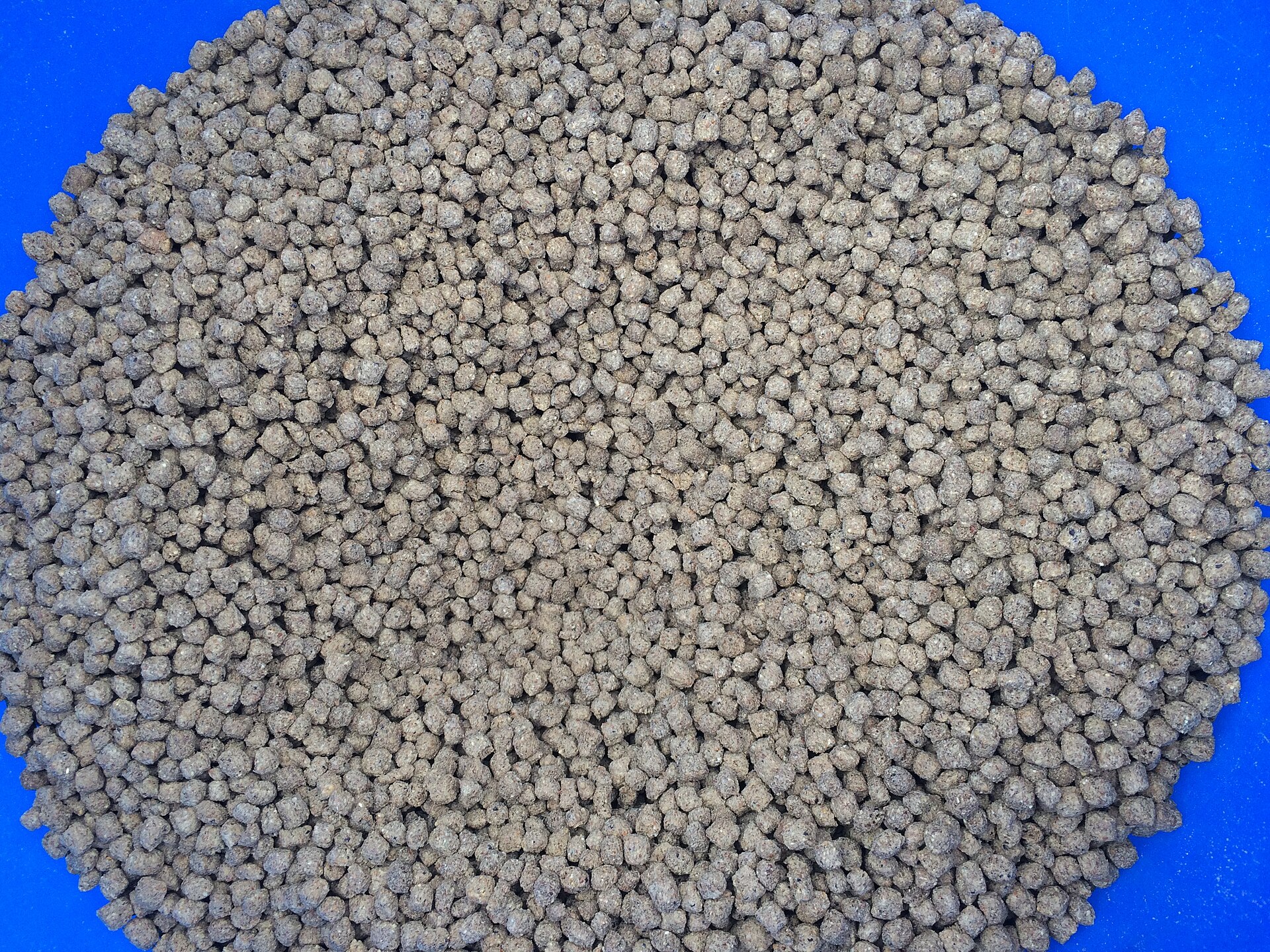 02
Feed plant
Pellets mixed on Dalma, sized so feed is not the constraint on the cages.
Open the process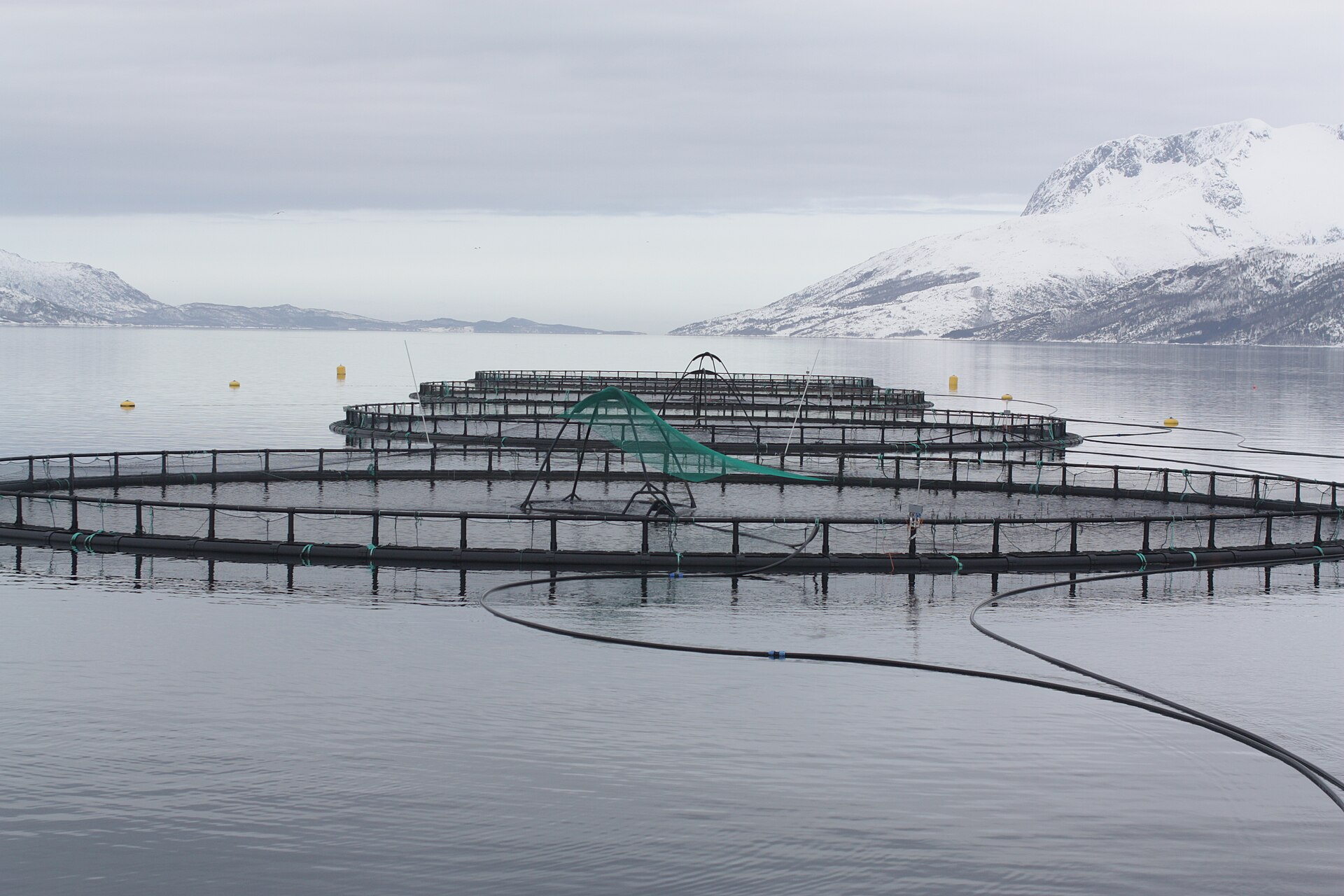 03
Sea cages
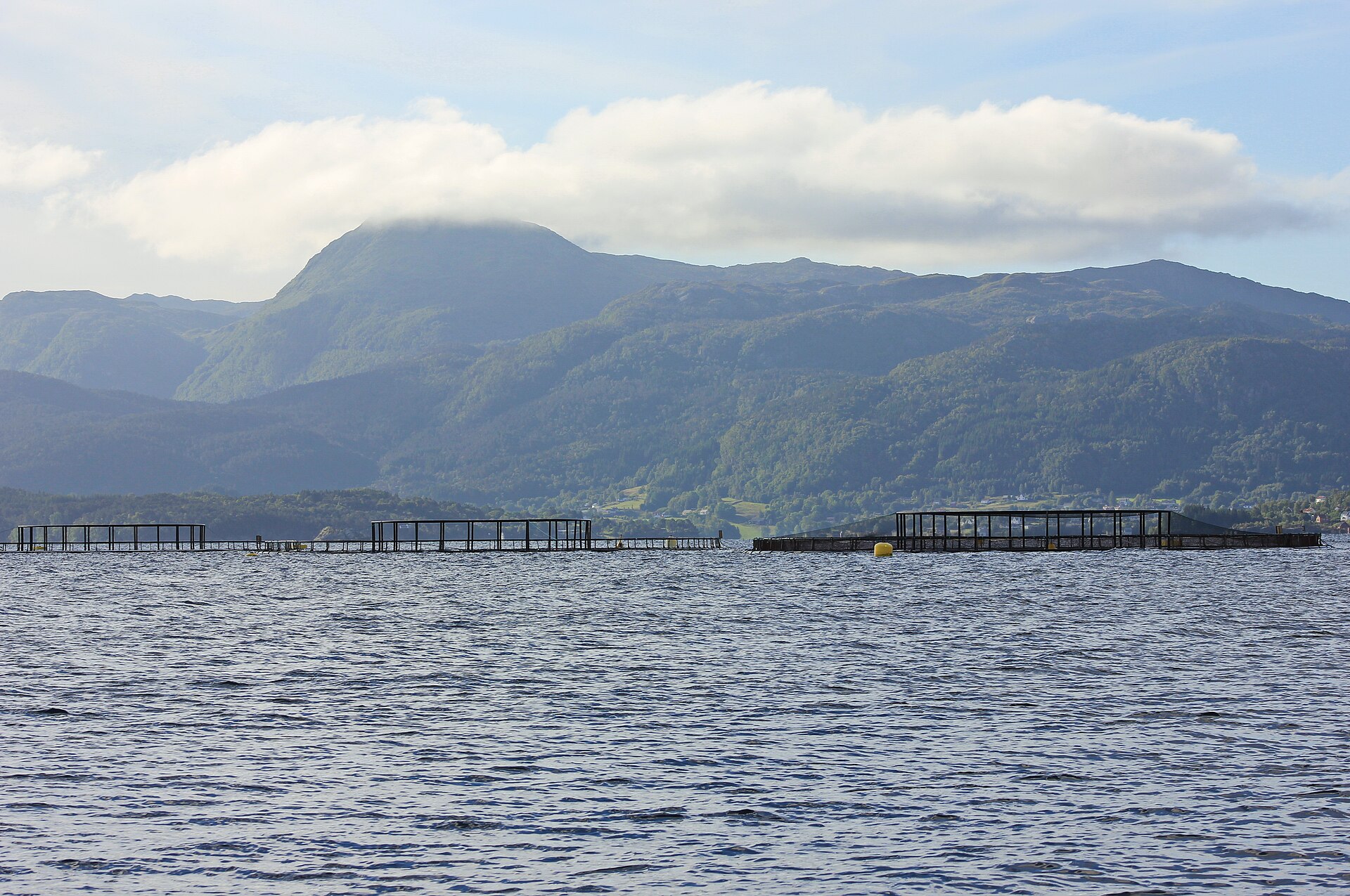
Floating circular cages in 250,000 m² of Arabian Gulf water.
Open the process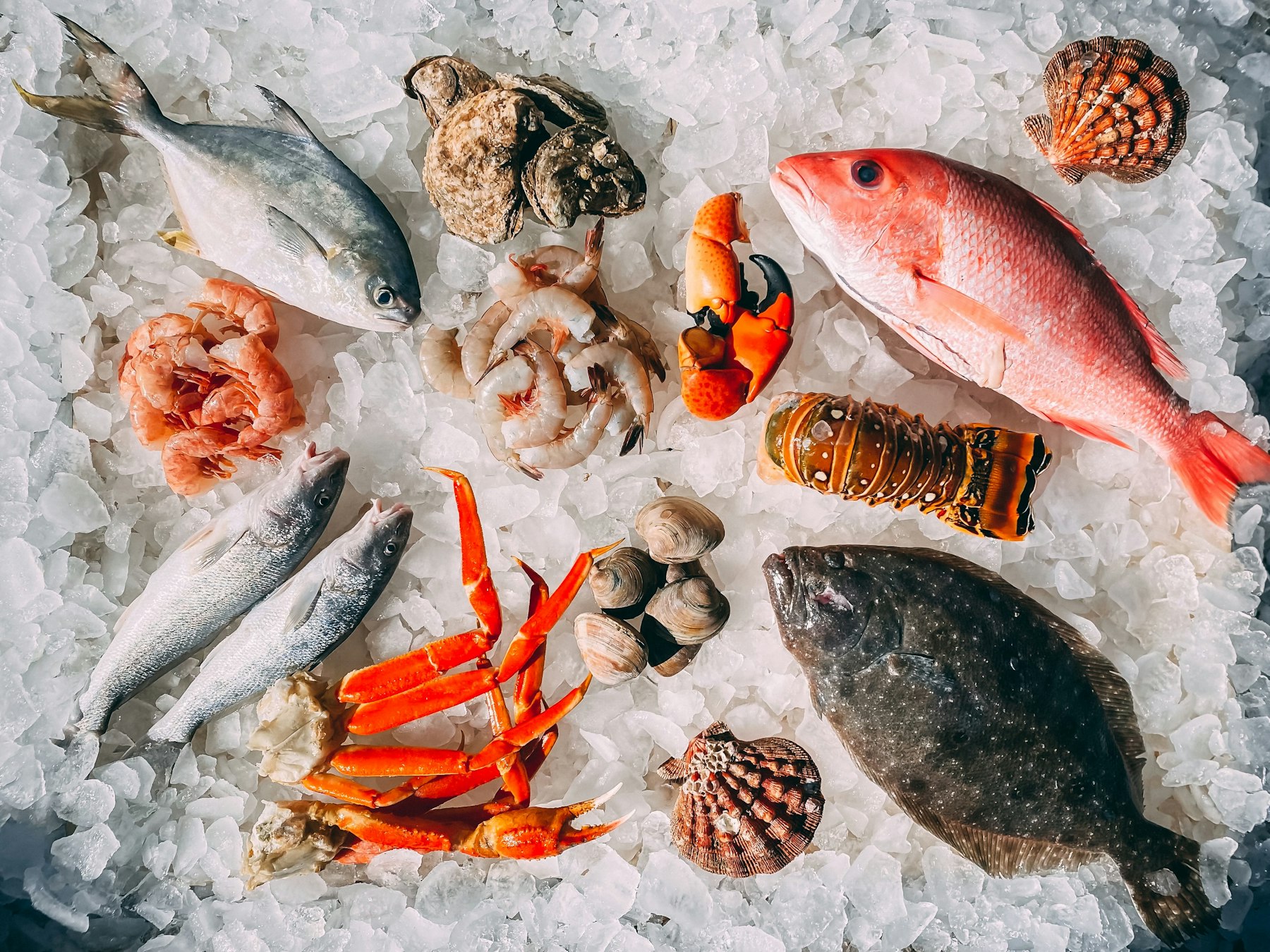 04
Processing
Harvest, chill and prepare on the same island as the cages.
Open the process
Hatchery
Broodstock, eggs, larvae and juveniles — seed for the cages, raised onshore.
Open the process0juveniles a yearFeed plant
Pellets mixed on Dalma, sized so feed is not the constraint on the cages.
Open the process0tonnesSea cages
Floating circular cages in 250,000 m² of Arabian Gulf water.
Open the process0tonnesProcessing
Harvest, chill and prepare on the same island as the cages.
Open the process0tonnes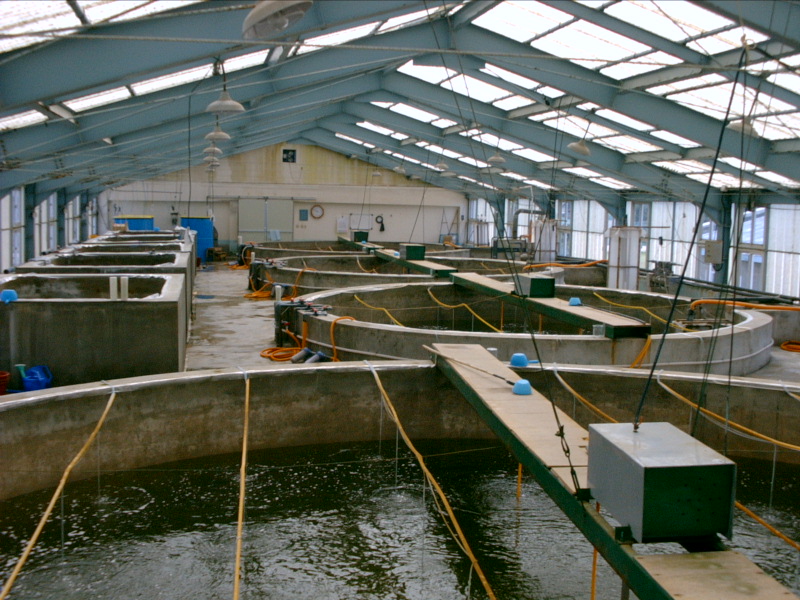
Shrimp
A later 5,000-tonne crop in recirculating water, kept apart from the cages.
Open the process0tonnes, recirculating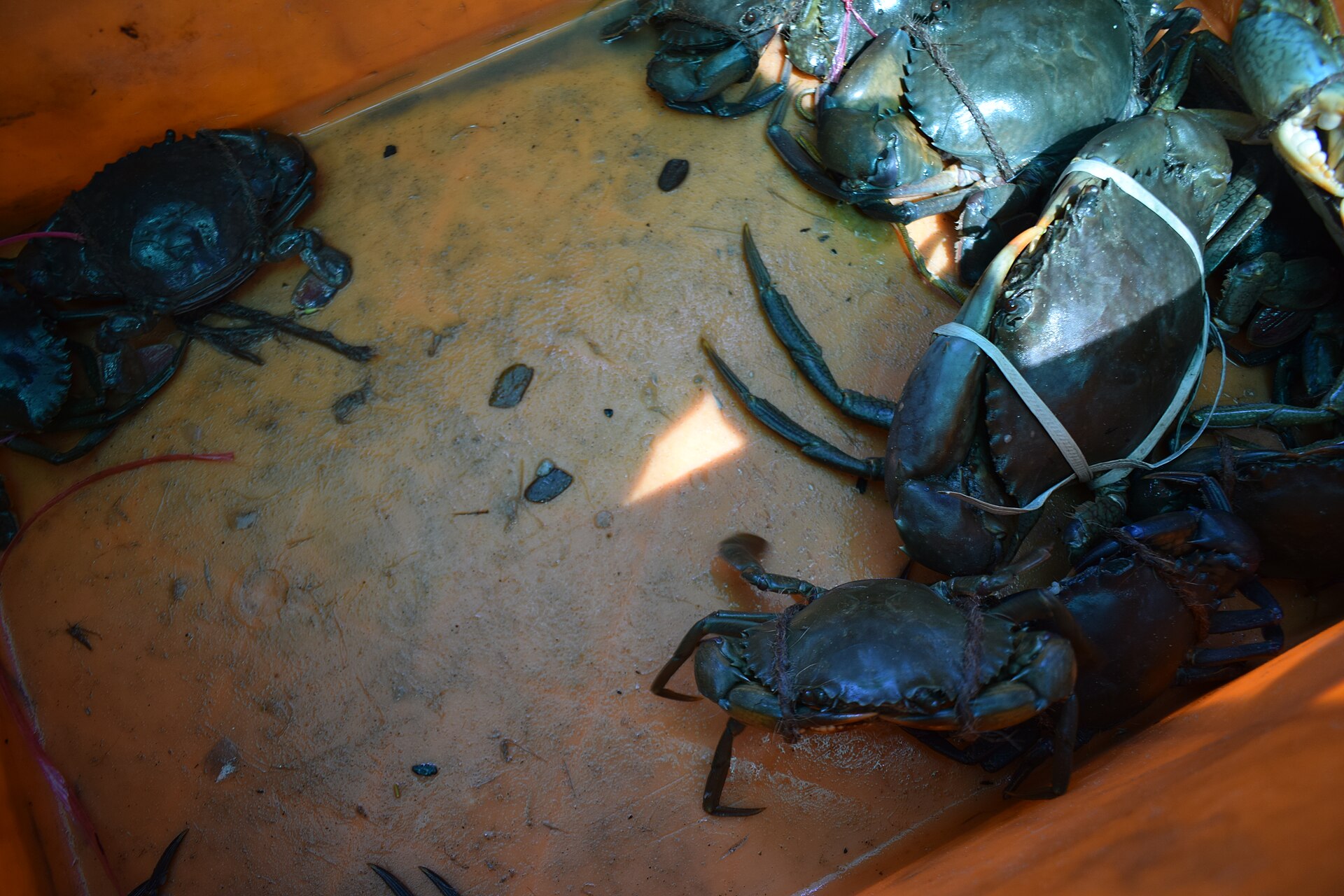
Mud crab
A later 5,000-tonne mud-crab plant in a vertical system.
Open the process0tonnes, vertical systemQuestions
What this platform is — and what the numbers are not.
What is AQUAFAQ?
AQUAFAQ is the public name of Aqua Fisheries Aquaculture LLC, established in 2020. It is an integrated marine aquaculture platform on Dalma Island, Abu Dhabi: hatchery, feed mill, sea cages and processing, with later shrimp and mud-crab plants planned behind that chain.
Why Dalma Island?
Dalma sits in the Arabian Gulf west of Abu Dhabi city, with harbour, road and town already there. The lease uses the island twice: 250,000 m² of open Gulf water for cages, and 156,118 m² onshore for tanks, mill and plant, so seed, feed and harvest do not travel a country.
Are the capacities already produced?
No. Figures on this site are design capacities stored in the company desk: 40 million juveniles a year, 60,000 tonnes of feed, 20,000 tonnes of cages, 20,000 tonnes of processing, and 5,000 tonnes each for later shrimp and mud crab. They describe the size of the system being built, not fish already landed.
How is the fish cultivated?
Broodstock and eggs onshore; larvae on live feed, then dry pellets; transfer to floating Gulf cages for grow-out; daily work on oxygen, density and ration; then humane kill, bleed, ice, and processing on the same island. That sequence is the cultivation page.
Why is the mill larger than the cages?
The mill is drawn at 60,000 tonnes against 20,000 tonnes of cages — three times, so feed sits ahead of the fish rather than behind them. If those two desk figures change, the public site recomputes the ratio.
What about shrimp and mud crab?
They are later phases, each planned at 5,000 tonnes. Shrimp are drawn in recirculating (closed) water, kept apart from the cages. Mud crab is drawn in a vertical system. Neither is an extra net on the finfish rings.
How do I reach the company?
Telephone +971 2 553 6357, or use the contact form. Messages are stored for Aqua Fisheries Aquaculture LLC and are not published. No public email is listed unless the desk adds one.